Quick Look: Heineken’s US Headquarters
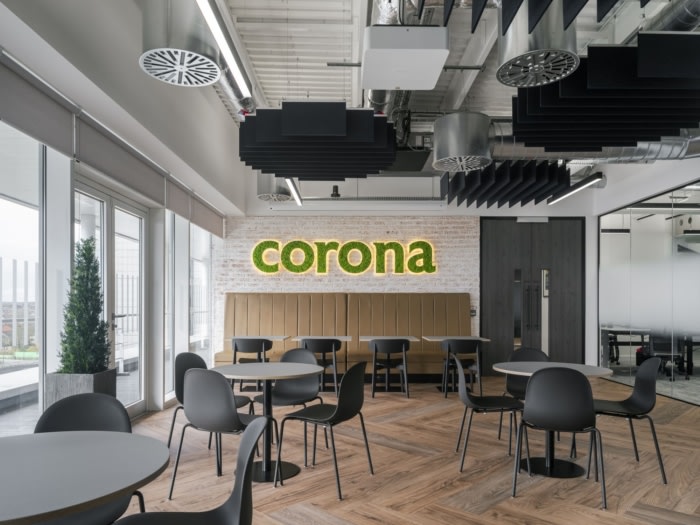
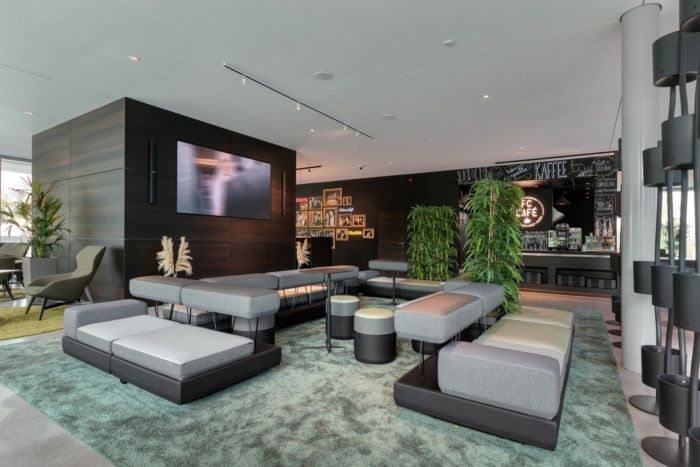
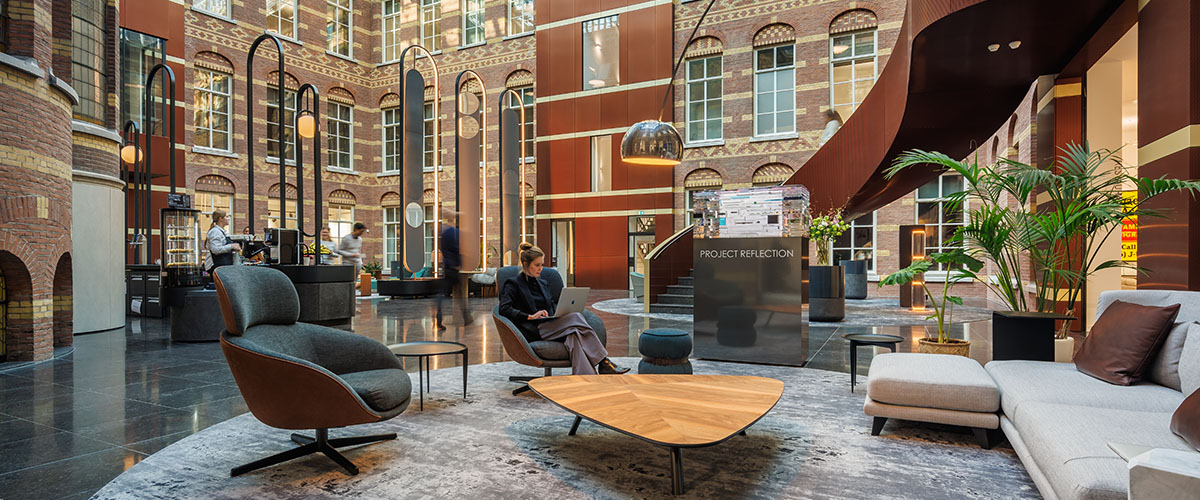
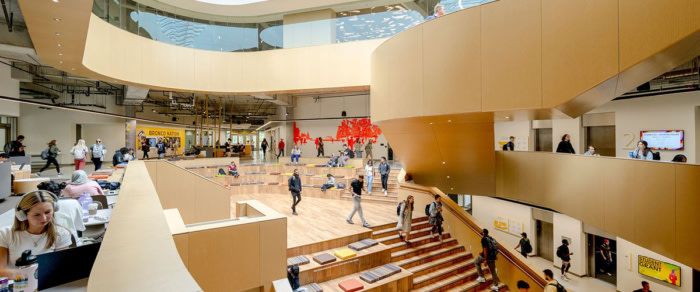
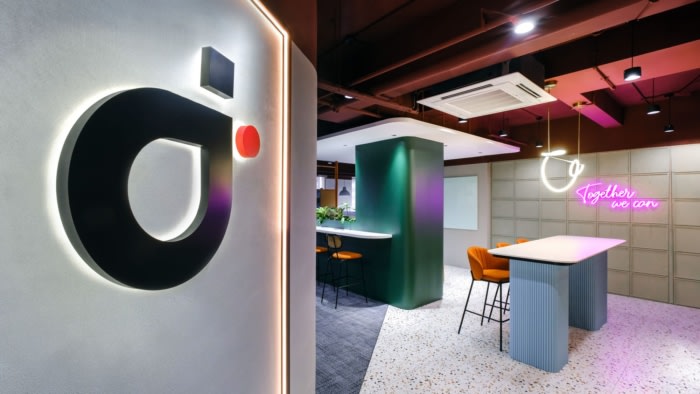
Heineken recently opened a new headquarters office in White Plains, NY. Business Insider got a tour (more pics and info here), but check out a few shots below:
I posted a few images of TNT Express’ new sustainable office in December, but recently came across quite a few more shots of the space. Enjoy!
Microblogging powerhouse Twitter has been on a meteoric rise since its inception back in 2007. Usage is exploding, popularity is exploding, valuations are exploding, and of course with those come a staff that is exploding. The company was started in San Francisco, and as of today, the company seems likely to remain in the city for years to come. Let’s take a look at where they came from.

Twitter’s first office was originally located within the offices of Obvious Corp., the company Twitter was born from. The space was a warehouse with tall ceilings and the classic startup look. At this point, Twitter hadn’t been around very long and many people were wondering just what the heck it was and why anyone would want to use it.


After some time, Twitter moved into its first office located just around the corner on Bryant Street. This space was similarly raw in nature, though with a style quite it’s own. Wall decals, huge amounts of natural light, and a set of green deer which would continue to inhabit their future spaces.
One important thing to note about this space is that it marks one of the company’s most trying periods that was full of huge service downtimes due to their spectacular growth.


Though Twitter moved out, Xobni has since moved in and made the space it’s own.

With their growth, Twitter once again upgraded spaces. While still a startup, they enlisted the help of designer Sara Morishige to help make the space playful, useful, and sustainable. Wall decals are used again, though much more company specific, with the use of a flock of birds. They also used a number of designs from local businesses.
Though the space initially seems fairly sparse in terms of decor and flavor, the space is given another upgrade that fills in many of the gaps. Both sets of images are below:


What’s next for Twitter and its employees in terms of office space? Well it seems like the company decided to stay in San Francisco after famously receiving a tax break as well as agreeing to moving its offices to a less-than-popular part of town.
Their space will be some 200,000 square feet, gives them room for around 1200 employees, and gives them the option of snagging another 200,00 square feet if necessary.

Last week, we looked at some general information about cost/benefit analysis and office design. In order to keep that discussion going, it will be helpful to have some tools in hand for evaluating the success of office design.
In one study, Knoll essentially defines the goal of office design as being an “…to create office work settings that positively influence desired work behaviors and employee performance.”
Start by creating a “workplace balanced scoreboard” of metrics. These metrics should be relevant to the intentions of the design and the organization’s business objectives. Include measures that reflect financial, behavioral, work process, health or other outcomes pertinent to the business.
“Less is more.” Select the fewest, highest impact measures possible. Do not collect data unless you know in advance exactly how you plan to use it. Double check to make sure it relates to your Workplace Balanced Scoreboard.
Establish Baseline Measures. Baseline measures establish a reference point against which you can assess the success of changes made to the workplace over time.
Collect data on an ongoing basis (quarterly or semiannually). This will provide an ongoing stream of objective information that can keep the workplace design aligned with employee needs and business goals.
Keep the reports simple. This will enable everyone to understand the results and thus be able to act on them.
Remember to manage the “human side” of the project. A technically successful assessment program can still fail if people don’t buy in to the effort. Thus to assure the support and engagement of employees within the organization, ensure that everyone understands the purpose, approach and benefits of the program.
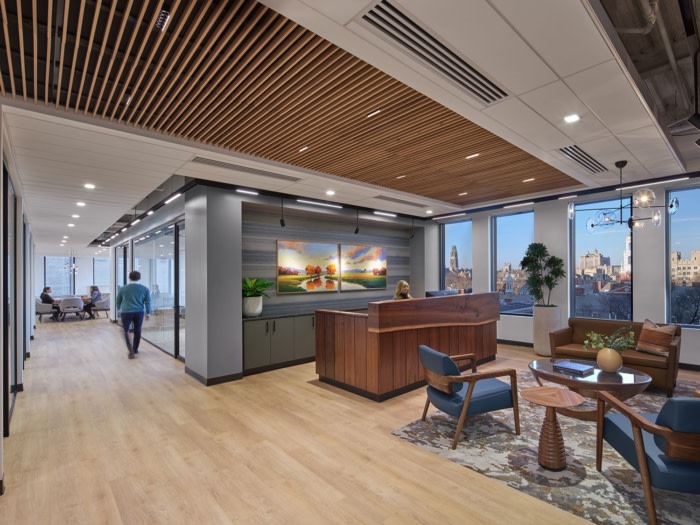
Was browsing around the image database and threw together a gallery of offices that use wood in ways not specifically named ‘floors’. Basically the idea you’ll see is that you can legitimately find wood off the side of the street, in junk heaps, on log piles, or even your local hardware store, then put it in your office and it instantly becomes more interesting.